Safe Home Medicine Storage and Cleanout
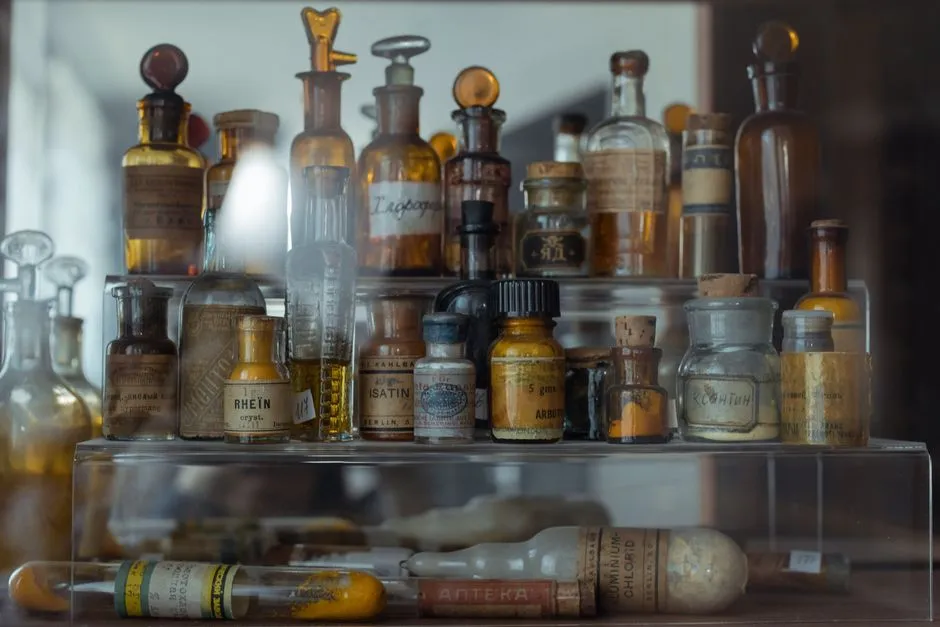
Store medicine for the product and the household
Safe home medicine storage means keeping every product in its original labelled container, following its specific temperature, light, and moisture directions, and securing it out of sight and reach of children and anyone for whom it was not prescribed. Review supplies regularly and use an authorized take-back option for most unwanted or expired medicines.
This is a household safety routine, not a medication review. Do not stop, combine, split, transfer, or dispose of a current prescription without checking the label and asking a pharmacist or prescriber when instructions are unclear.
Choose a secure, suitable location
Read each label. Many medicines need a cool, dry place; some require refrigeration or protection from light. A steamy bathroom or hot car may be unsuitable even though “medicine cabinet” has appointed the bathroom through years of aggressive naming.
Use a locked or otherwise appropriately secured location that children and visitors cannot see or reach. Consider teenagers, adults with cognitive impairment, pets, purses, bedside organizers, and medicines brought into the home by guests. Child-resistant packaging reduces access but is not childproof, and the closure must be fully re-engaged after every use.
Store medicine separately from food and household chemicals. Keep any dosing device with its product so an oral syringe or cup does not become an anonymous piece of tiny kitchen equipment.
Browse medicine safety for more label-first household systems.
Keep original labels and current instructions
Leave prescriptions and over-the-counter products in their original containers unless a pharmacist has provided an appropriate alternative or individualized organizer plan. The label carries identity, strength, directions, warnings, expiry, and dispensing information.
Do not combine different medicines in one bottle. Keep outer packaging when it contains dosing or storage instructions not repeated on the immediate container. Check tamper-evident packaging before first use and do not use a product that appears damaged, altered, or different from what the label describes.
Create a separate current medication list with the name, strength, dose, timing, reason, prescriber, allergies, and supplements for each family member. Verify it after changes rather than using the cupboard itself as the medical record.
Use our appointment-preparation guide to bring that list into a care conversation.
Review without guessing
Work on one person's products at a time. Check the printed expiry date, container condition, and whether the medicine is still part of the current plan. Separate expired, damaged, discontinued, duplicated, or unidentified products, but keep them secured while arranging disposal.
Do not use an unidentified loose pill. A pharmacist or poison centre can advise what to do. Never share a prescription, use another person's medicine, or use leftovers for a new illness because the symptoms seem similar.
Ask a pharmacist before discarding devices, needles, inhalers, patches, liquids, controlled medicines, or products with special instructions. The correct route can vary by formulation and location.
Dispose through current official guidance
The U.S. Food and Drug Administration says take-back options are the best way to dispose of most unused or expired prescription and nonprescription medicines. Authorized sites may offer kiosks, drop boxes, or mail-back programs.
Follow product-specific disposal instructions. Only certain medicines belong on the FDA flush list when a take-back option is not readily available; do not flush everything. If household-trash disposal is allowed, follow the current official steps for that medicine and protect personal information on packaging.
Keep unwanted medicine secured until it leaves. A disposal bag on the counter has not become safe merely because it has a responsible future appointment.
Visit care visits when a prescriber or pharmacist needs to clarify the active list.
Prepare for accidental exposure
Save the appropriate poison-centre number for your location. In the United States and many territories, Poison Help is 1-800-222-1222. Call immediately when poisoning may have occurred rather than waiting for symptoms, and keep the product container available.
If someone collapses, has a seizure, has trouble breathing, or cannot be awakened, call local emergency services immediately. Do not induce vomiting or give a home remedy unless a poison expert or clinician specifically directs it.
The finished system should make the right product identifiable, inaccessible to the wrong person, and easy to discuss with a professional. That is more useful than a perfectly alphabetized shelf whose lock is open.