Prepare for a Child's Doctor Appointment
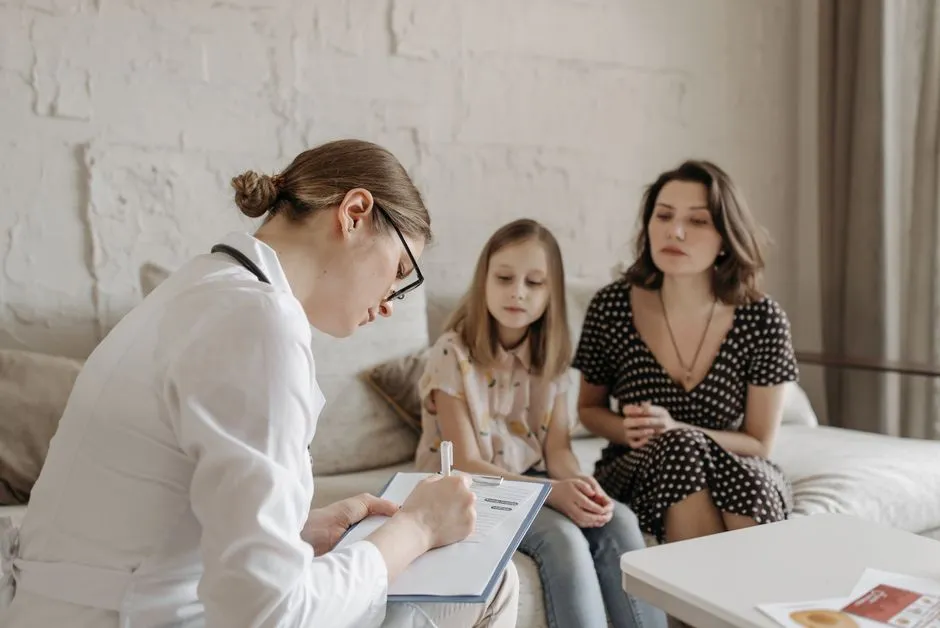
Bring one clear page, not the entire family archive
Prepare for a child's doctor appointment by writing the main concern, symptom timeline, current medicines and supplements, allergies, relevant history, and three priority questions. Bring insurance or registration information, requested records, and any forms the clinic provided. Ask the office beforehand about fasting, samples, arrival time, accessibility, interpretation, or telehealth requirements.
This preparation helps communication; it does not determine the diagnosis. Seek urgent or emergency care now when the child's symptoms or clinician's prior instructions call for it rather than waiting for a routine appointment.
Call the office when the visit is booked
Explain the broad reason for the appointment so staff can schedule the right visit type and length. Ask what records, photographs, school forms, growth information, immunization documentation, or medication containers would be useful. Confirm who may consent, especially if someone other than a parent or legal guardian will attend.
Request an interpreter or accessibility accommodation in advance when needed. For telehealth, ask which location, device, camera view, measurements, and backup contact method the clinic expects.
Check current infection-control instructions if the child has fever, rash, vomiting, breathing symptoms, or a known exposure. The office may use a different entrance, waiting arrangement, or visit format.
Browse care visits for more ways to make limited appointment time useful.
Write a short symptom timeline
Note when the concern began, whether it is constant or intermittent, what makes it better or worse, and how it affects sleep, eating, drinking, movement, school, play, mood, or usual activity. Record measured temperatures with the method and time rather than “felt hot sometime Tuesday.”
Include photographs or videos only when they accurately capture an intermittent concern and the child can be recorded respectfully and safely. Do not delay urgent care to collect better documentation.
List important changes such as travel, injury, new foods, new products, sick contacts, stressors, or treatment already tried. Avoid editing details to fit a theory. The clinician needs the awkward facts too; bodies are inconsiderate about plot structure.
Reconcile every medicine and allergy
Write the name, strength, amount, schedule, and reason for every prescription, over-the-counter medicine, vitamin, supplement, cream, inhaler, or other product the child currently uses. Note recent starts, stops, missed doses, and possible side effects without changing the plan on your own.
Bring labelled containers or clear photographs when the clinic requests them. Record medicine and food allergies, the reaction that occurred, and when. Separate a confirmed allergy from a side effect or family concern so the clinician can review each accurately.
MedlinePlus appointment guidance recommends preparing a medicine list and symptom notes. Use our home medicine guide to keep the household list aligned with current labels.
Put the most important questions first
Choose three priorities and lead with the one that matters most. Useful questions include:
- What possibilities are you considering?
- What should we do next, and what benefit or risk should we understand?
- What changes should prompt a call, urgent visit, or emergency help?
- When and how will results arrive?
- What activity, school, food, or medicine instructions apply?
Ask the child what they want to know, using language suited to their age and communication style. Tell the clinician when the child needs extra processing time, sensory support, privacy, or part of the conversation without a caregiver present where appropriate.
Close the visit with a teach-back
Take notes or ask permission to record instructions when local rules and clinic policy allow. Before leaving, repeat the plan in your own words: what to do, how and when to do it, what to stop or continue, warning signs, follow-up timing, and who will contact whom.
Clarify unfamiliar terms and ask for written instructions. Confirm prescriptions reached the intended pharmacy and that doses are expressed in the units on the supplied measuring device. Do not substitute a kitchen spoon for a medicine dosing tool.
Visit medicine safety for storage and label habits after the plan changes.
Update the family record afterward
Add the visit date, agreed plan, new medication details, referrals, tests, and follow-up to the child's record. Remove obsolete printouts while retaining records that still matter. Share necessary instructions with school, childcare, or another caregiver through an appropriate private channel.
Contact the care team if symptoms worsen, unexpected effects appear, the plan is unclear, or an expected result does not arrive. Preparation is successful when the family and clinician leave with the same plan—not when the tote bag contained every document since preschool.