How to Keep a Medication List for Your Family
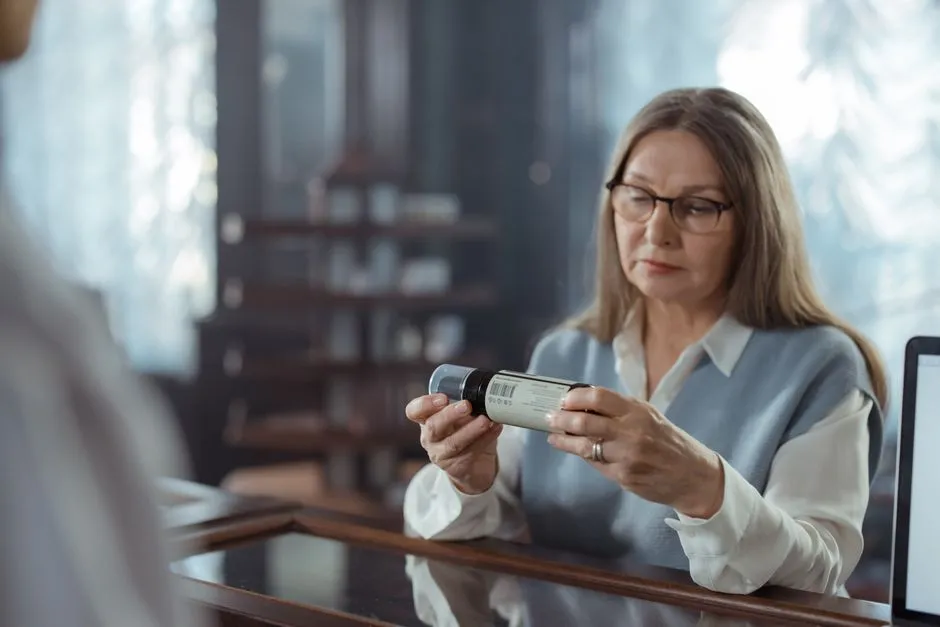
- How do you keep a medication list current?
- What information belongs on the list?
- Which easily missed products should you include?
- How do you avoid confusing strength with directions?
- What should happen when two records disagree?
- How do you prepare for a pharmacist's review?
- How do you update copies without losing the history?
- Where can you keep and share the list?
- What if a possible medicine poisoning is discovered?
- Sources
How do you keep a medication list current?
Keep a separate, dated medication list for each person, covering prescriptions, nonprescription products and supplements. Record product details and current directions without calculating or changing doses. Compare the list with actual use and the available containers, then ask a pharmacist or prescriber to resolve discrepancies. Update the shared copies after confirmed changes. An unresolved instruction needs professional advice, not a guess based on whichever document looks newest.
The list is a communication aid. It does not authorize treatment or replace the product label and individual professional instructions.
What information belongs on the list?
The FDA's medication-list guidance includes medicine names, strengths, reasons for use, directions, allergies and emergency contacts. Include prescription and nonprescription medicines, vitamins and supplements.
Use one person's name and the date reviewed at the top. Below that, leave room for their pharmacist and prescriber's contact details. A household list should not mix several people's medicines into one undifferentiated table.
This is our suggested record layout, not a prescribing form:
| Field | Record from the available source | Keep distinct from |
|---|---|---|
| Product identity | Full name and formulation shown on the container | A remembered brand nickname |
| Strength | Exact printed value and units | The amount the person is directed to use |
| Current directions | Confirmed amount, route and schedule | Instructions copied from an older course |
| Reason for use | The person's documented explanation | A diagnosis inferred from the drug name |
| Source | Container, visit document or professional confirmation, with date | An unsupported assumption |
| Actual use reported | What the person says they currently use | What the list says they ought to use |
| Question or discrepancy | The exact point requiring clarification | A family member's proposed treatment change |
Where a detail is unknown, write “unknown—ask pharmacist” or “awaiting prescriber clarification.” An empty cell does not show whether someone checked it.
Which easily missed products should you include?
A medicine review is broader than counting tablets. The Agency for Healthcare Research and Quality's brown-bag review guidance includes topicals, liquids, injections and inhalants, as well as prescription products, OTC medicines, vitamins and herbal supplements.
Ask the person about products used occasionally, not only those in a daily organizer. Preserve the stated instructions for an as-needed product; do not turn it into a scheduled medicine while transferring information into a template.
Record what the person actually reports. If cost, reading the label or difficulty using a product is a problem, note it for the professional review. Do not silently replace that account with the prescribed schedule because it makes a tidier list.
Keep medicines in their appropriate secured storage while gathering information. Do not leave containers accessible to children during a paperwork session.
How do you avoid confusing strength with directions?
For U.S. nonprescription medicines, the FDA explains that Drug Facts separates active-ingredient amounts from directions. Those are different fields on your record too. Copy each with its units; do not perform a conversion to make columns look consistent.
The same familiar brand name can appear on products with different ingredients, and labels can change. Read the actual current package, including warnings. Dietary supplements carry Supplement Facts rather than the medicine's Drug Facts panel.
If the label is unreadable or the product cannot be identified reliably, ask the pharmacist. Do not identify a loose pill by color, fill the gap from another person's prescription, or assume an online photograph establishes what is in the container.
Our medicine-safety collection covers the wider household organization task.
What should happen when two records disagree?
Keep both source statements visible and contact the pharmacist or prescriber for clarification. The family's task is to describe the conflict, not decide which treatment should win.
Use this original question card:
- Person and product concerned.
- What the container says, including its date.
- What the other document says, including its date.
- What the person reports actually using.
- The specific question that needs an answer.
- Professional contacted, response received and date.
A fictional example: a visit summary marks a product discontinued, but the person reports still using it and has a container with different instructions. Do not delete either fact to create apparent agreement. Tell the professional about both and request the current plan in writing.
If you need guidance about an upcoming dose, seek timely professional advice rather than waiting for a routine filing session. This article cannot tell you to take, skip, restart or change that dose. Record-keeping must not delay urgent care.
How do you prepare for a pharmacist's review?
Ask the practice or pharmacy how to arrange a medicine review and what to bring. AHRQ's brown-bag approach compares actual containers and reported use, not just a chart printout. Follow professional instructions for transporting anything with special storage requirements.
Prepare a packet containing the current list, conflicting documents and your questions. Tell the reviewer which entries are confirmed and which remain uncertain. A list copied today from an old document is newly typed, not newly verified.
Before the conversation ends, ask who will correct each relevant record and how you will receive the agreed instructions. Use the care-visits collection for broader appointment preparation. This guide stays focused on making the medicine record usable.
How do you update copies without losing the history?
FDA advises reviewing the list when medicines or instructions change and carrying a copy to share. Our practical method is to choose one working master and give every distributed copy its revision date.
After a confirmed change, record the source and date, then replace the current paper and digital copies. Label the previous version “superseded” in a separate history folder so it cannot be mistaken for today's instructions.
For an original bookkeeping example, suppose the master has three distributed copies: wallet, chosen caregiver and appointment folder. A revision is not finished until all three are replaced or their recipients are told that the copy is outdated. This counts documents, not medicines or doses.
A cupboard cleanout can reveal a discrepancy. It cannot, by itself, establish that a medicine has been discontinued.
Where can you keep and share the list?
Agree with the person whose information it is who should receive a copy and how it will be available when needed. Use readable text rather than compressing essential details into a small photograph.
Do not assume a personal health app automatically has the same privacy protections as the clinician's system. HHS explains that HIPAA generally does not protect data entered into personal apps unless the app is provided by a covered entity or its business associate. Review sharing arrangements and avoid public links.
What if a possible medicine poisoning is discovered?
Do not delay getting help to complete the record. In the United States, call Poison Help at 1-800-222-1222 immediately if poisoning may have occurred; do not wait for symptoms. If the person is not breathing, call 911. Have the product container nearby if available, without delaying the call. Elsewhere, use the local poison service or emergency number.